06Things to Do
Things to Do in Osaka: What’s Worth Your Time and Money
大阪観光駅Namba or Umeda (Midosuji Line)
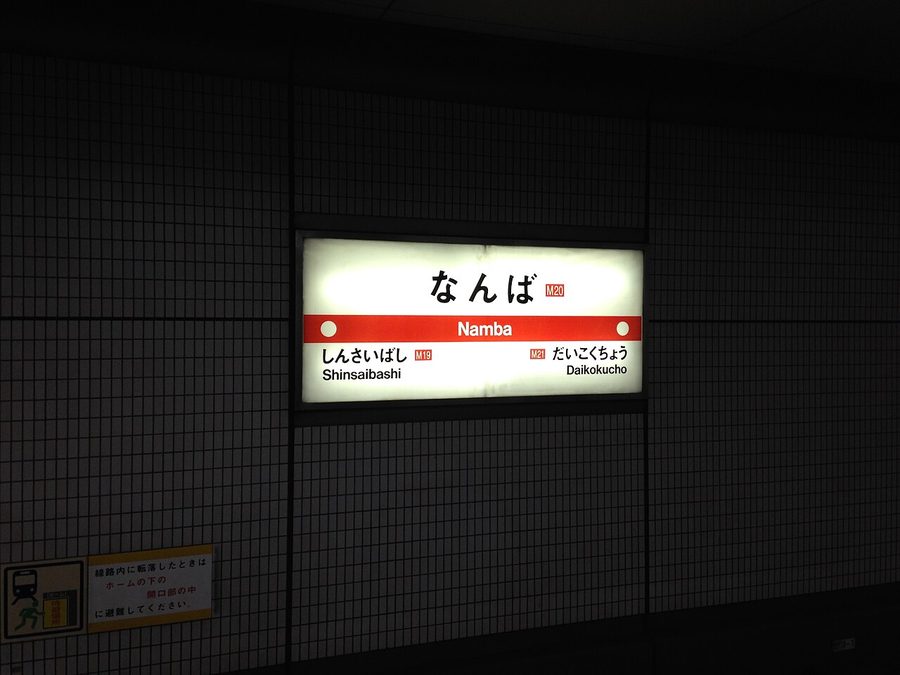
The Midosuji Line takes about six minutes from Umeda to Shinsaibashi and two more to Namba. Those eight minutes join the two halves of Osaka, Kita in the north and Minami in the south, and most of what is worth your time sits a short walk from a station on that one red line.
The rest of the city hangs off it. The castle is a few stops east, the tower and the old amusement quarter of Shinsekai (新世界) a few stops south, the aquarium and the theme park out west on the bay. You can see a great deal of Osaka in two days. You can also lose most of a third standing in queues for things that are better, or cheaper, two streets over.
So do the sums first. The castle keep costs ¥1,200, the two big observation decks ¥2,000 and ¥2,200, an hour in a street kart through Dotonbori (道頓堀) from ¥7,000. A shrine older than all of them costs nothing at all. Spend where the money buys something you cannot get for free, and walk the rest.
Contents目次
- 01Kita, Minami and the line between them
- 02The castle, and the history behind it
- 03Minami: Dotonbori, Namba and the lanes behind them
- 04Kita: Umeda, Nakanoshima and Tenma
- 05Shinsekai, Tennoji and the south
- 06Eating your way round
- 07Getting up high
- 08Temples and shrines
- 09Museums worth the ticket
- 10The bay, the aquarium and the theme park
- 11Hot baths
- 12Comedy, rakugo and bunraku
- 13Shopping arcades
- 14After dark
- 15Street go-karting in costume
- 16Baseball at Kyocera Dome Osaka
- 17Free things, and what to do when it rains
- 18One, two or three days
Kita, Minami and the line between them
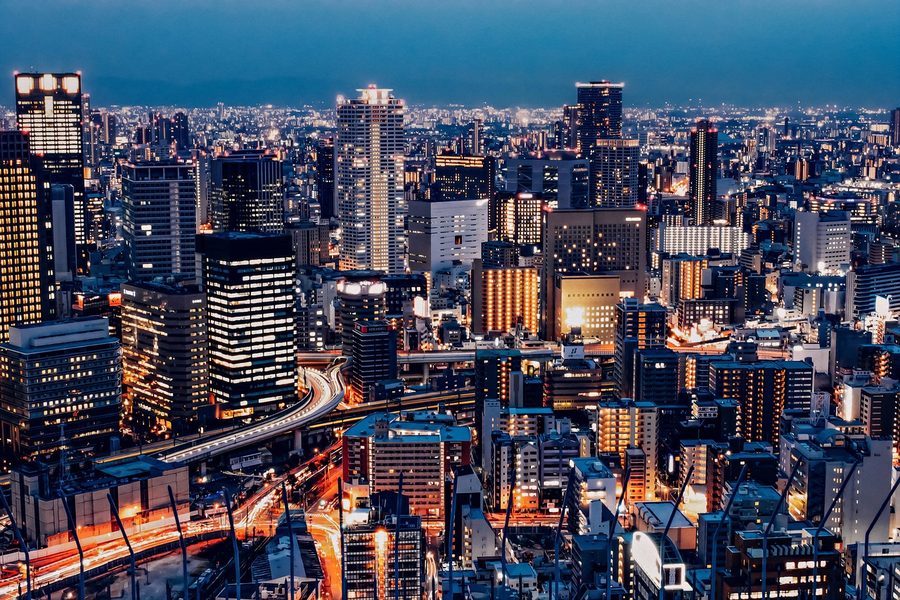
Osaka people talk about their city as two places. Kita (キタ, “north”) is Umeda and the streets round it: the station complex, office towers, department stores, the river island of Nakanoshima and the old shopping street running north through Tenma. Minami (ミナミ, “south”) is Namba, Dotonbori and Shinsaibashi, plus the youth-fashion grid of Amerikamura (アメリカ村) and the electronics strip of Den Den Town (でんでんタウン). Kita works; Minami eats and drinks.
The Midosuji Line runs between them, and beyond Namba it carries on to Tennoji, the hub for Shinsekai, the Abeno Harukas (あべのハルカス) tower and the southern temples. Osaka Castle sits off to the east, on the Tanimachi and Chuo lines. The bay, with the aquarium and Universal Studios Japan, is a separate trip west. Plan by area, not by list.
For a first visit I would sleep near a Midosuji Line station and spend the first evening walking Dotonbori, because that is what you came to see. Do the castle the next morning before the tour groups arrive. Everything else fits round those two.
Is a sightseeing pass worth it?
The Osaka Amazing Pass (大阪周遊パス) covers Osaka Metro, the city buses and the private railways inside the city, plus entry to about 40 attractions including the castle keep, the observatory of the Umeda Sky Building (梅田スカイビル), Tsutenkaku (通天閣) and the Tombori River Cruise. It lives on your phone as a QR code and is sold to adults only, by credit card; a 28-hour version with one ride from Kansai Airport to Namba costs ¥5,300 (on sale 1 October 2026 to 31 March 2027).
It pays off only if you go hard at the paid sights, and some entries come with conditions: at the Umeda Sky Building it is free only between 9:30 and 15:00. If your plan is temples, markets and walking, which is most of the best of Osaka, tap an IC card instead and keep the change.
The castle, and the history behind it
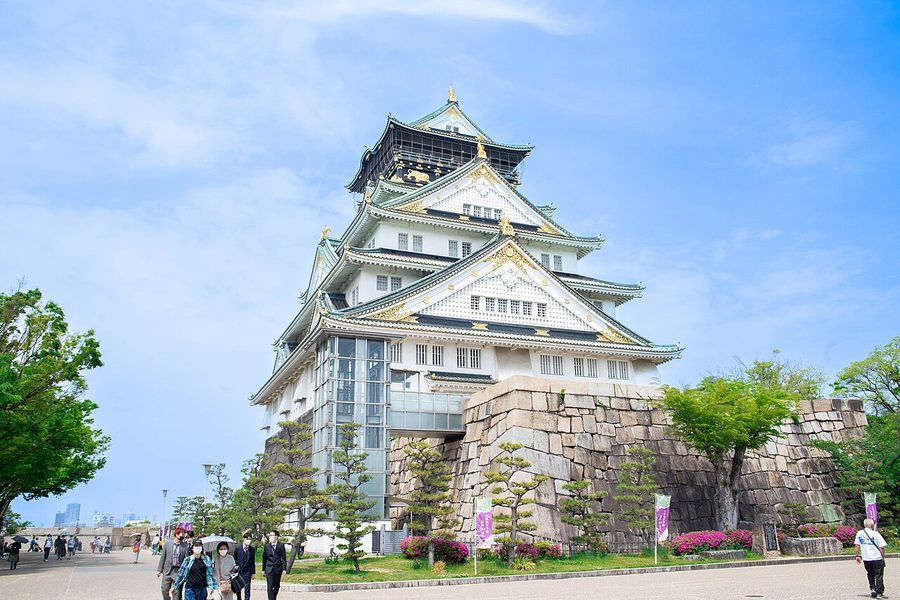
Osaka Castle (大阪城) is the city’s postcard and one of its busiest paid sights: the keep counted 2,813,851 visitors in the year to March 2026, a record. What you see is the third keep on the site, rebuilt in 1931 in steel-reinforced concrete with money raised from the people of Osaka. Inside it is a museum of the Toyotomi years with a lift, which is why purists sniff at it.
The purists are losing. On 16 October 2026 the national Council for Cultural Affairs recommended the 1931 keep for designation as an Important Cultural Property, formal once it appears in the official gazette. I think it is worth the ticket once, for the view from the top and the scale of the stone walls on the way up.
| Osaka Castle keep | As of November 2026 |
|---|---|
| Hours | 9:00–18:00 (last entry 17:30) |
| Closed | 28 December–1 January |
| Tickets | Adults ¥1,200; high school and university students ¥600 with ID; junior high age and under free |
| Nearest stations | Tanimachi 4-chome (Osaka Metro Tanimachi Line, exit 1-B; Chuo Line, exit 9); Osakajokoen (JR Osaka Loop Line); Temmabashi (Keihan Main Line) |
The keep’s ticket prices and hours changed on 1 April 2025, when the adult price doubled. The surrounding Osaka Castle Park (大阪城公園) is free and open all day, and it is where I would spend most of the morning: the moats, the gates and the walls are the real castle. The Nishinomaru Garden (西の丸庭園) inside the walls charges ¥300 from 1 April 2026, or ¥350 during the spring cherry-blossom evenings, and it has the best lawn view of the keep. The Toyotomi Stone Wall Museum (豊臣石垣館), opened in April 2025, shows a stretch of the earlier castle’s buried wall.
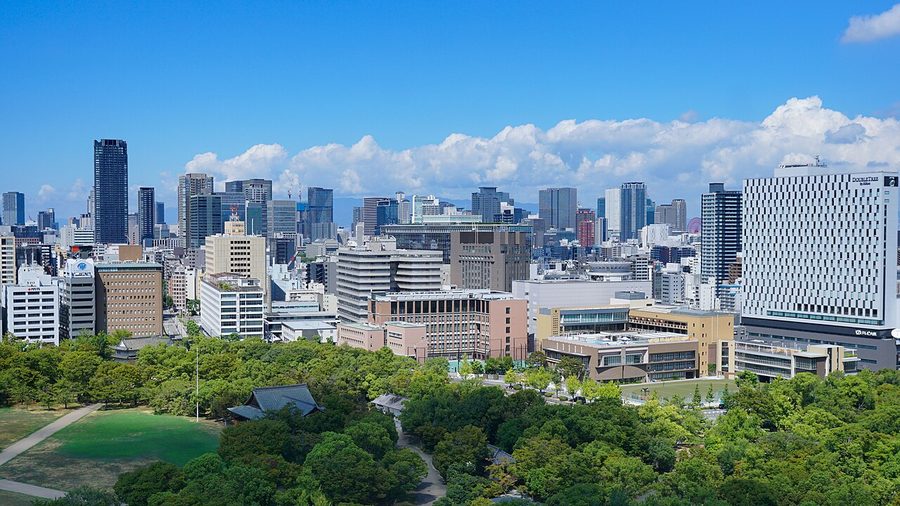
Across the road to the south-west, the Osaka Museum of History (大阪歴史博物館) tells the city’s story from the 7th-century Naniwa Palace onwards, with the palace site laid out in the open ground beside it. If you only have time for one indoor history stop, I would choose it over the keep’s own displays.
Minami: Dotonbori, Namba and the lanes behind them
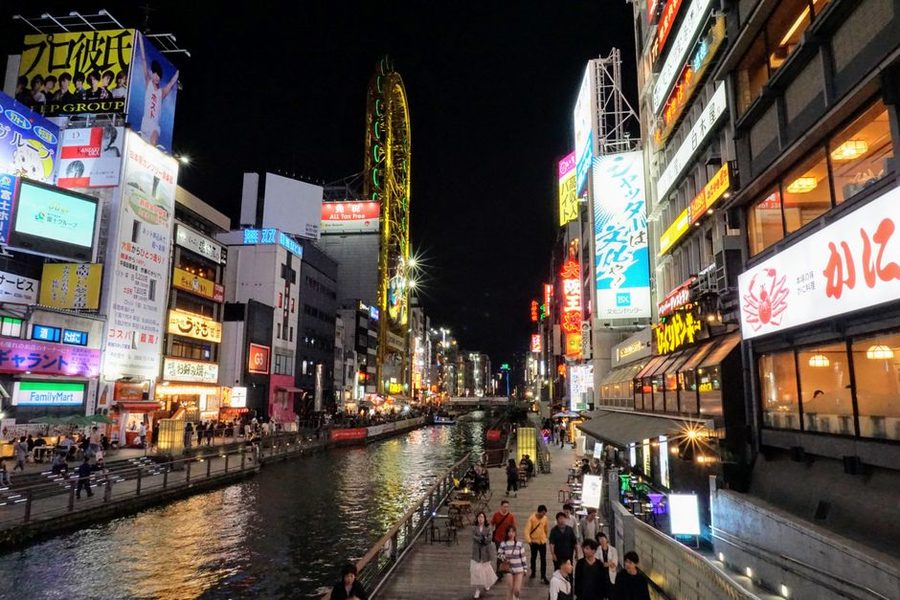
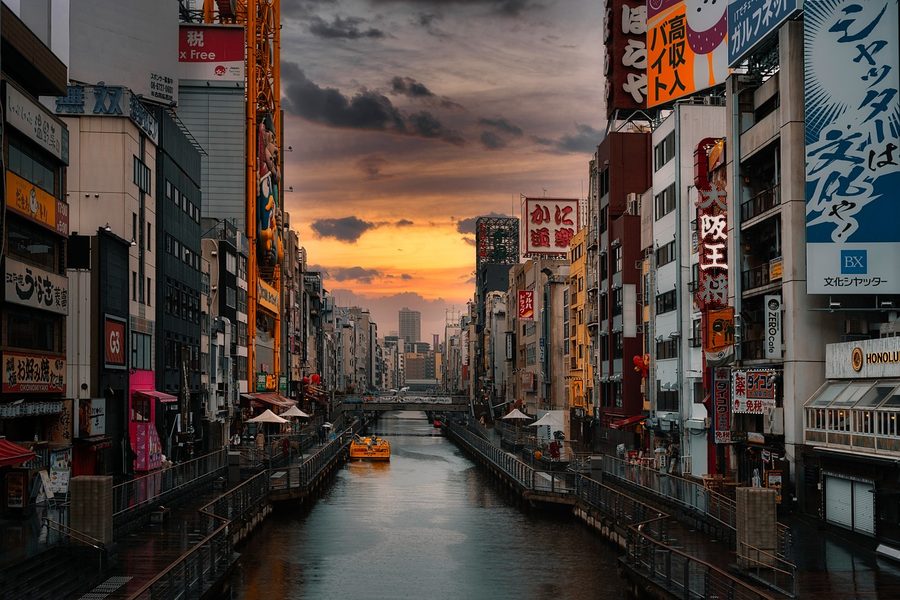
Dotonbori is a canal with a street along one side and a wall of signs above both. The famous run is between Ebisu Bridge (戎橋) and Nipponbashi, where the restaurants compete with oversized three-dimensional signs bolted to their fronts. Come after dark, because that is the point; in daylight it is a row of restaurants with an unusually loud dress code.
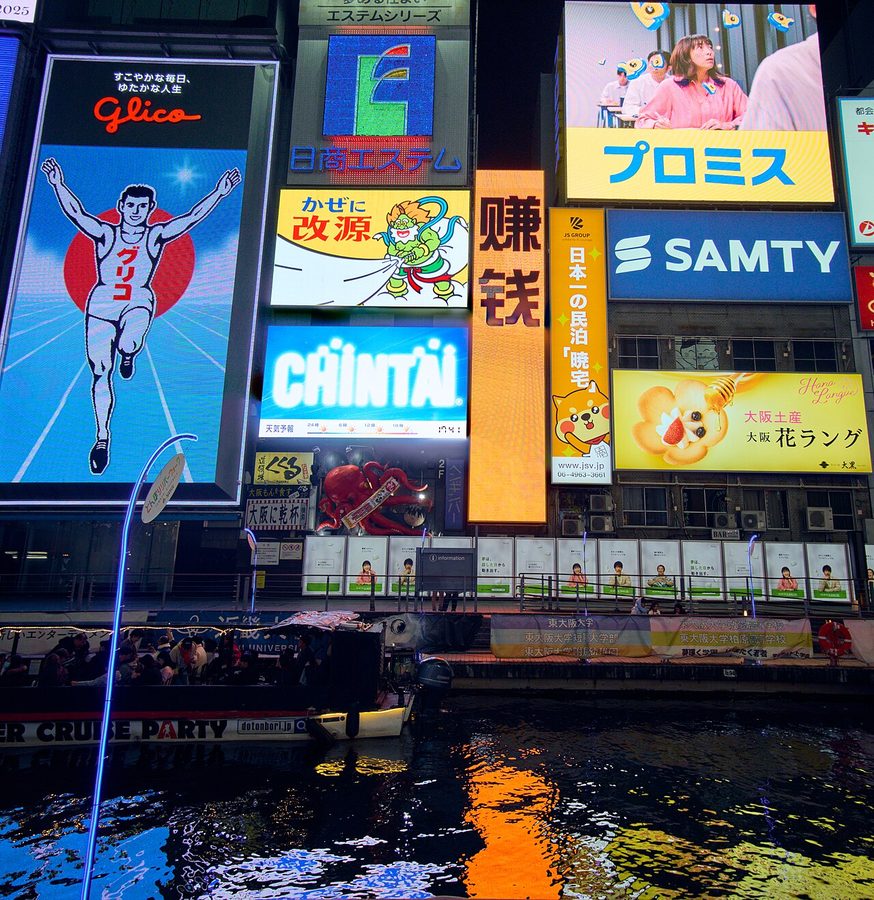
The walk at water level, the Tombori River Walk (とんぼりリバーウォーク), is the better way to see it. The Tombori River Cruise leaves from the Tazaemon-bashi landing beside the Don Quijote store with the yellow oval Ferris wheel, on the hour and half-hour from 11:00 to 21:00, takes about 20 minutes and costs ¥2,000 for adults as of November 2026. It is pleasant and not essential: the walk gives you most of the view for nothing.
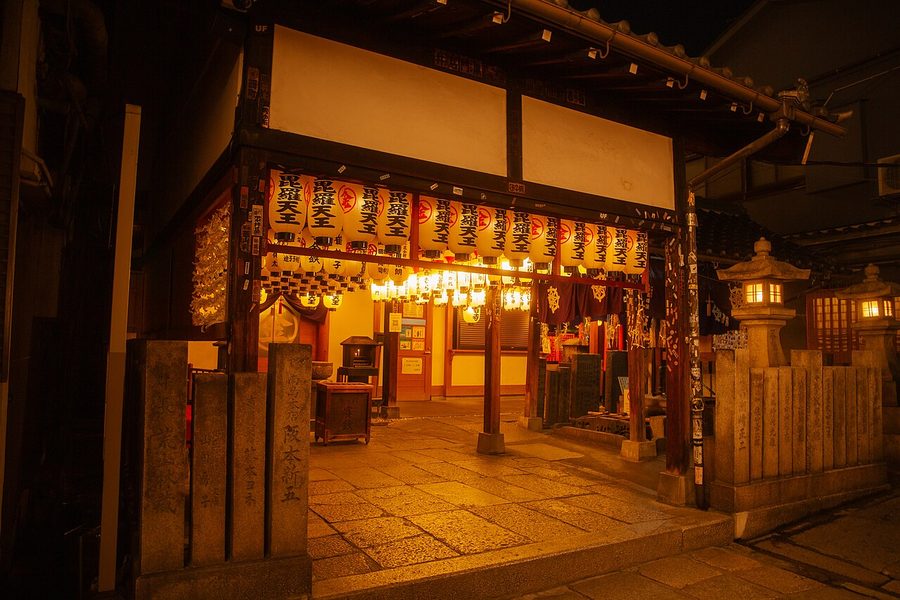
Just south of the canal, Hozenji Yokocho (法善寺横丁) is a cobbled lane of small restaurants and bars that feels a century older than the street it leaves. Beside it is Hozenji (法善寺), a small temple where people ladle water over the statue called Mizukake Fudo (水掛不動), the “water-splashed Fudo”. It costs nothing, and it is the quietest minute you will get in Minami.
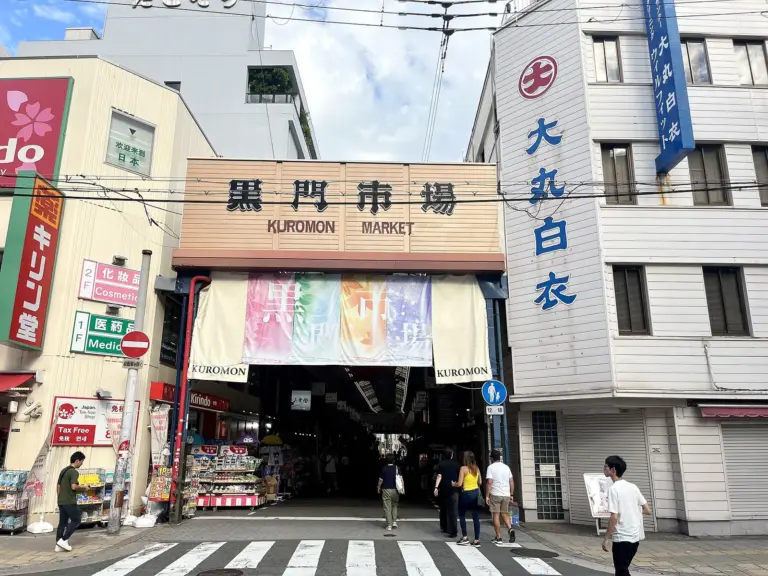
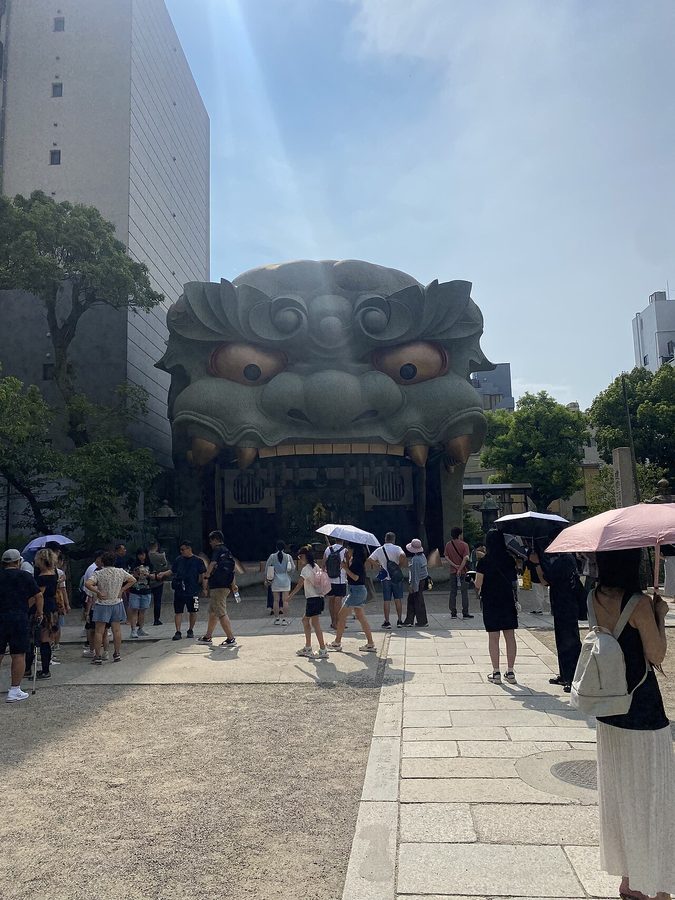
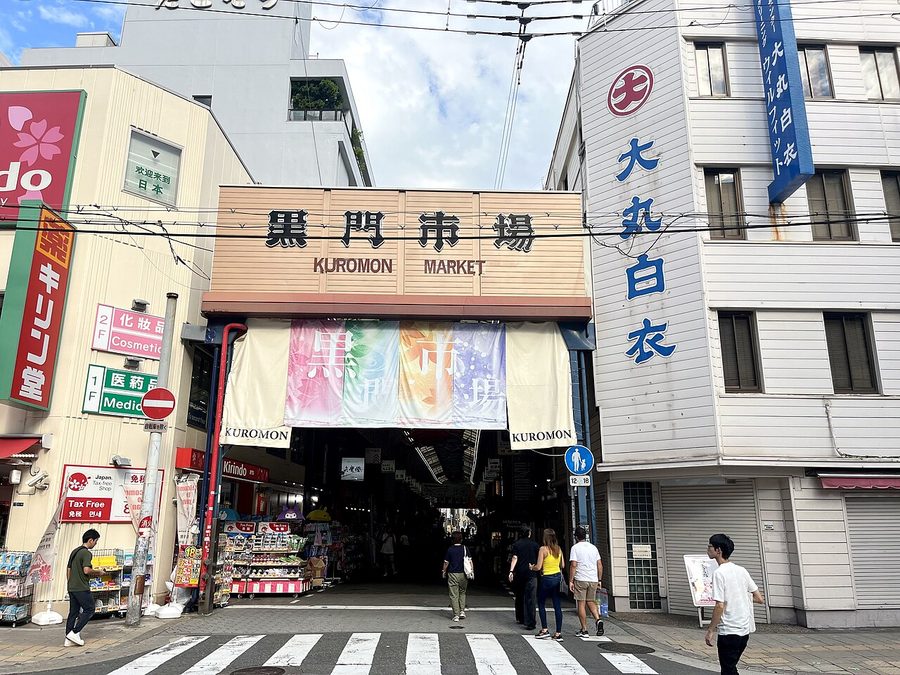
A short walk west of Namba Station, Namba Yasaka Shrine (難波八阪神社) is the oddity worth a detour: a stage built as a giant lion’s head, mouth open, facing a plain courtyard. East of Namba, Kuromon Market (黒門市場) is the covered food market that every tour sends you to; and north, up Midosuji, is Shinsaibashi and its arcade.
Kita: Umeda, Nakanoshima and Tenma
Umeda is less a neighbourhood than a station complex with weather. JR Osaka, the Hankyu and Hanshin terminals and three Osaka Metro stations sit close together, joined by underground streets, with department store food halls in the basements. Give it an evening for the views and a lunch for the food halls.
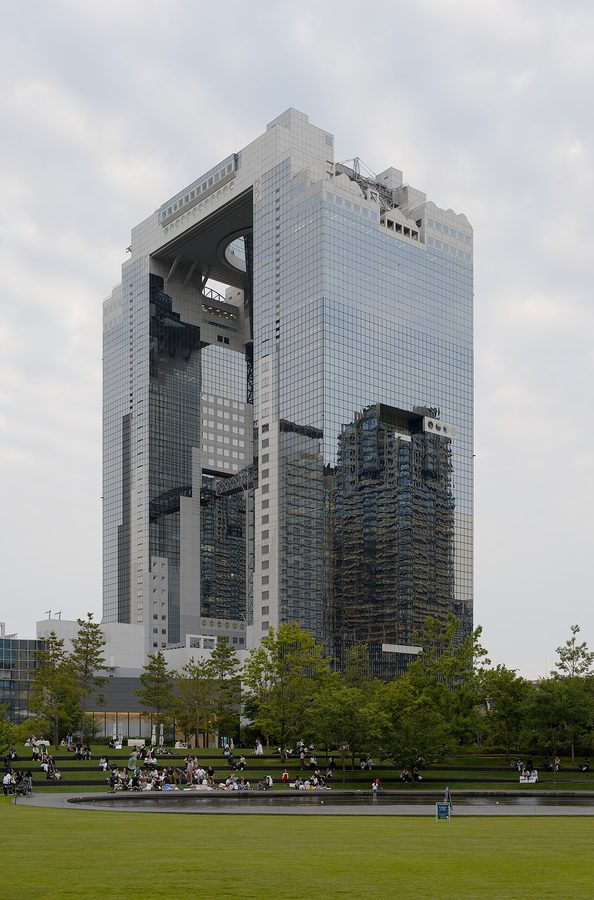
The newest thing here is outdoors. Umekita Park (うめきた公園), a big lawn with reflecting pools next to Osaka Station, sits among the towers of Grand Green Osaka, and it is the best place in Kita to sit on grass with the Umeda Sky Building in front of you.
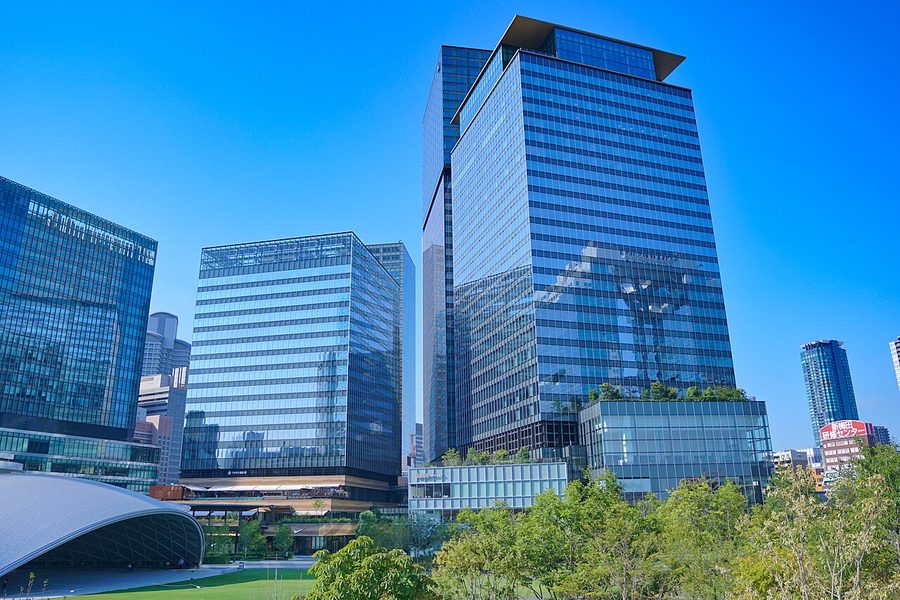
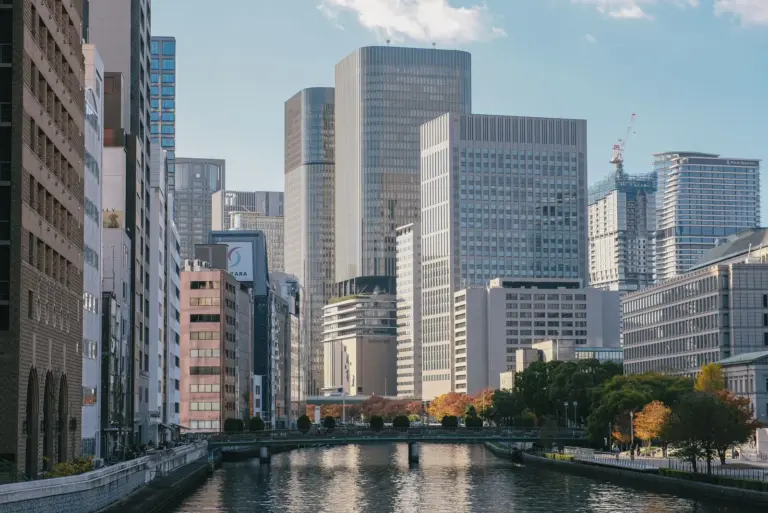
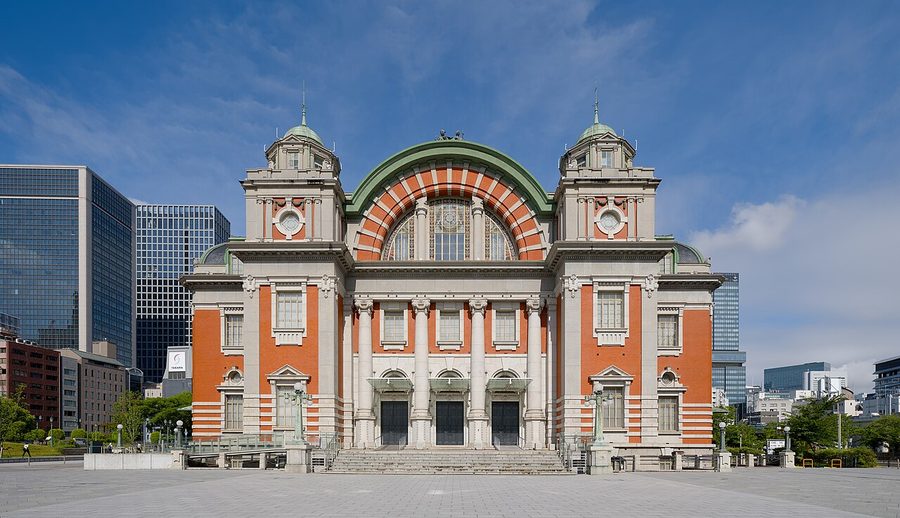
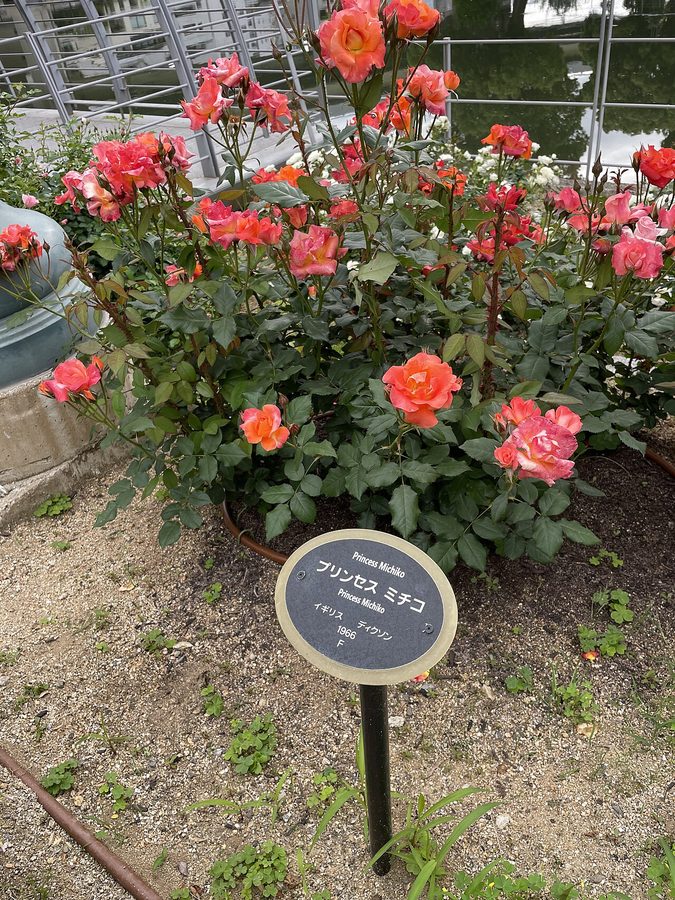
Ten minutes’ walk south, Nakanoshima (中之島) is a long island between the Dojima and Tosabori rivers with the city’s best old buildings on it. The park at its eastern tip has a rose garden of about 3,700 roses in 310 varieties, at its best in May, and the red-brick Osaka City Central Public Hall (大阪市中央公会堂) stands beside it.
North of the river, Tenma is the old merchant side of Kita, and it is where I would go for an evening. Osaka Tenmangu (大阪天満宮), the shrine of the summer Tenjin Matsuri (天神祭), sits just off Tenjinbashisuji (天神橋筋商店街), the covered shopping street that runs north for kilometres and calls itself the longest in Japan. Its stretch near Tenma Station is full of small restaurants and bars.
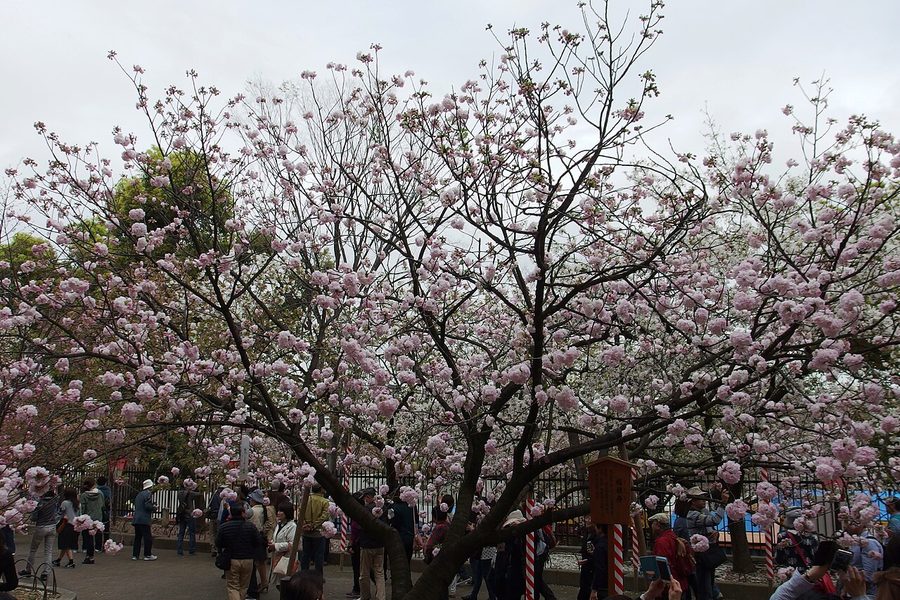
On the river bank to the east, the Mint Museum (造幣博物館) of the Japan Mint shows around 4,000 coins, medals and minting objects in a converted Meiji-era building that once housed the Mint’s power plant. It is free, open 9:00–16:45 (last entry 16:00), and closed on Wednesdays (Thursday when Wednesday is a holiday), over the New Year and during the spring cherry walk-through, when the Mint opens its avenue of cherry trees to the public.
Shinsekai, Tennoji and the south
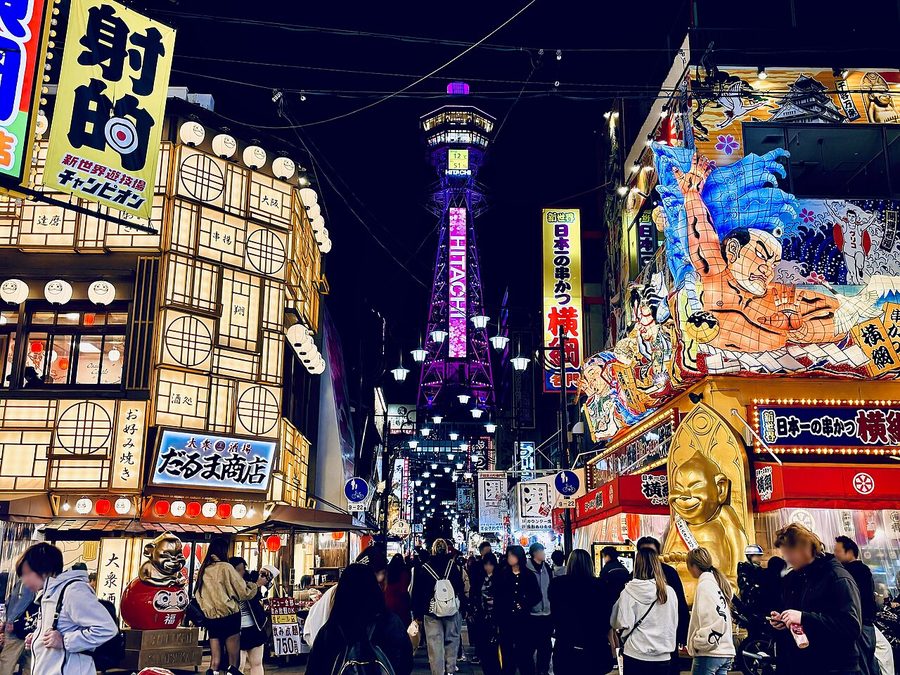
Shinsekai opened in 1912 as a “new world” amusement quarter and has kept the look of a place that peaked a long time ago and decided to enjoy it. Tsutenkaku Tower stands in the middle, the second tower of that name, put up in 1956 after the first went for scrap in the war. The streets round it are lined with kushikatsu (串カツ), deep-fried skewers, and shops with signs the size of the buildings.
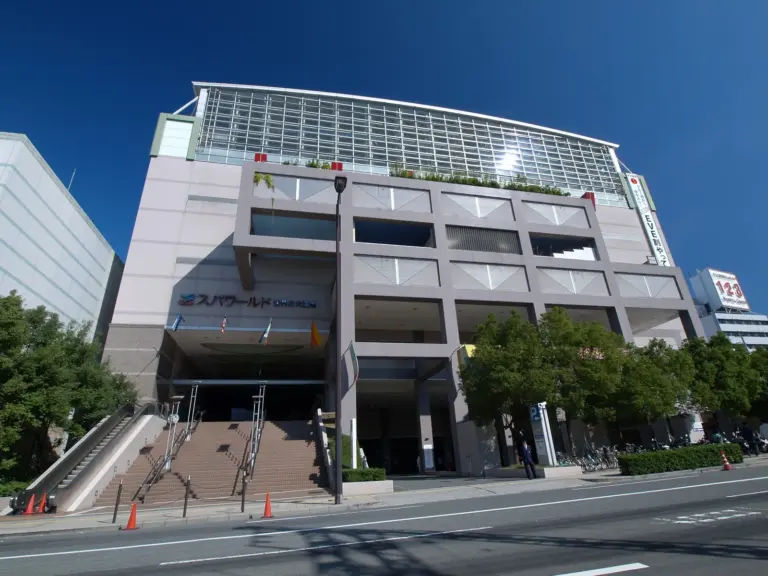
On the edge of Shinsekai, Spa World (スパワールド) is a hot-spring complex of themed bath floors. A short walk south-east, Tennoji Park (天王寺公園) holds the Tennoji Zoo (天王寺動物園): ¥800 for adults, 9:30–17:00 (last entry 16:00), closed Mondays (the next day when Monday is a holiday) and 29 December–1 January. Across the road from the park, Abeno Harukas rises 300 metres over Tennoji Station.
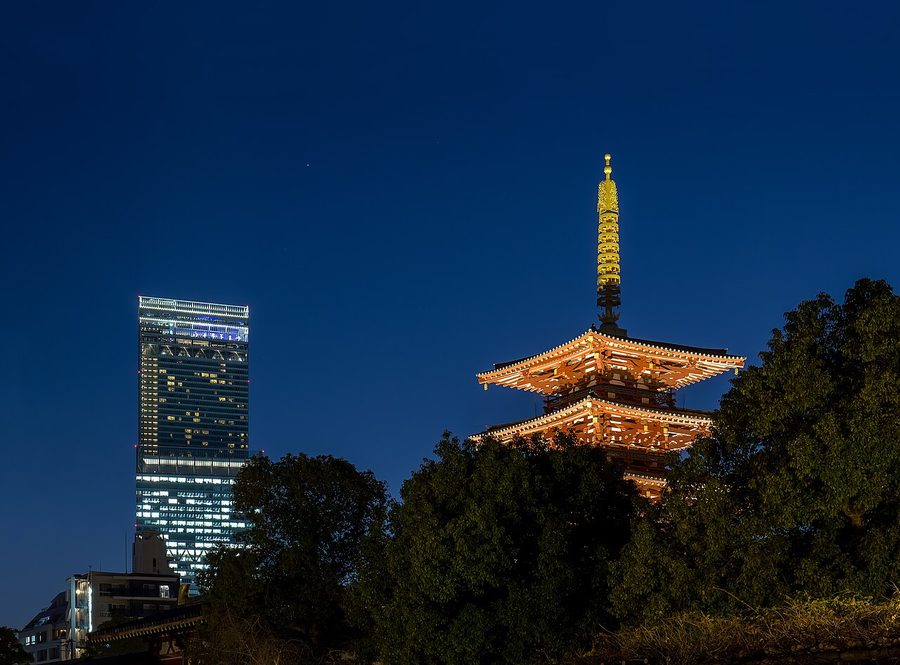
North of Tennoji, Shitennoji (四天王寺) is the temple Osaka traces to Prince Shotoku, rebuilt many times over the centuries, with a five-storey pagoda at the centre of a walled precinct. It makes a calm hour between the noise of Shinsekai and the lift up Harukas.
Eating your way round
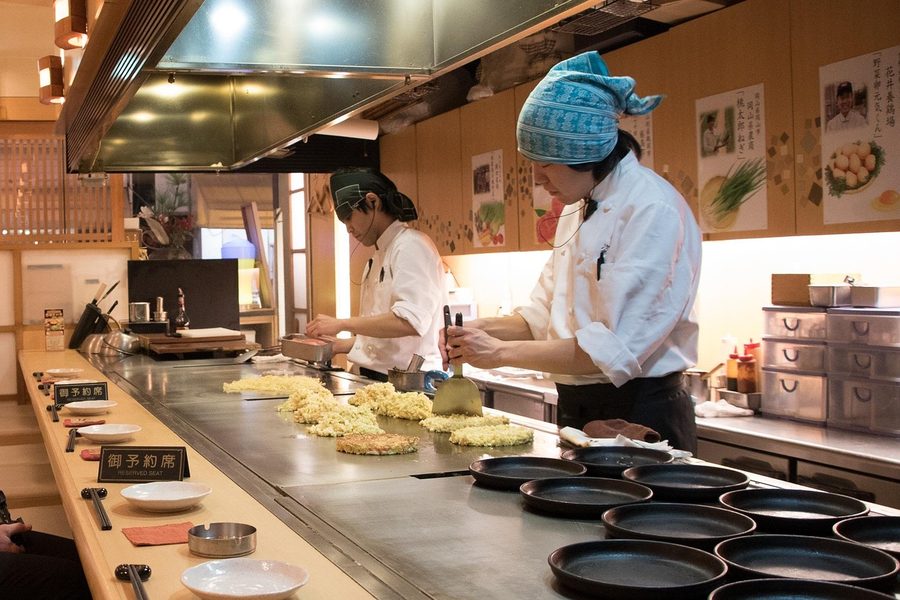
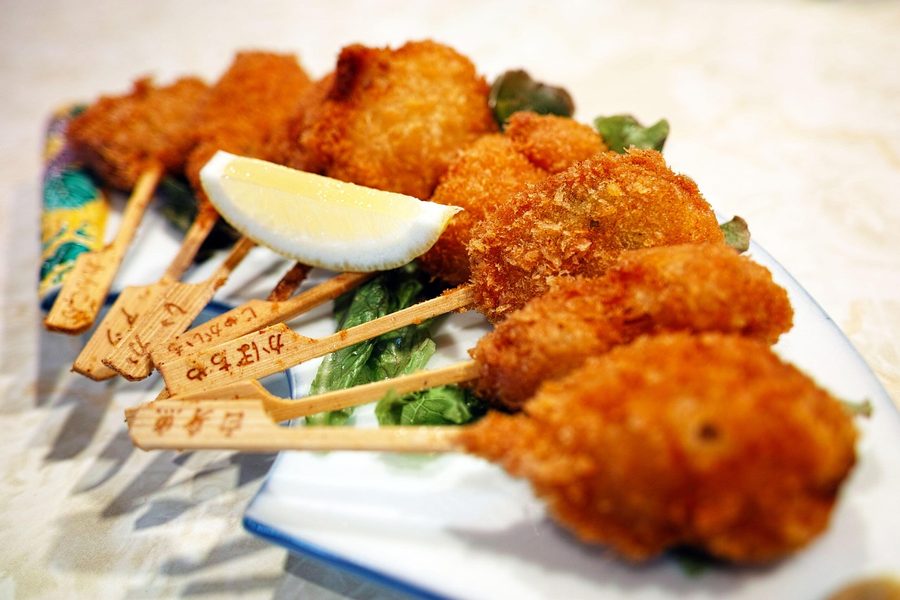
Osaka’s own food is cheap, hot and eaten standing up, and the city still likes to say it ruins itself eating (kuidaore, 食い倒れ, “eat till you drop”). Three things to eat before you leave: takoyaki (たこ焼き), batter balls with a piece of octopus inside, turned on a griddle with a pick; okonomiyaki (お好み焼き), a thick cabbage pancake cooked on a hotplate, often at your table; and kushikatsu, the skewers of meat, fish and vegetables fried in breadcrumbs.
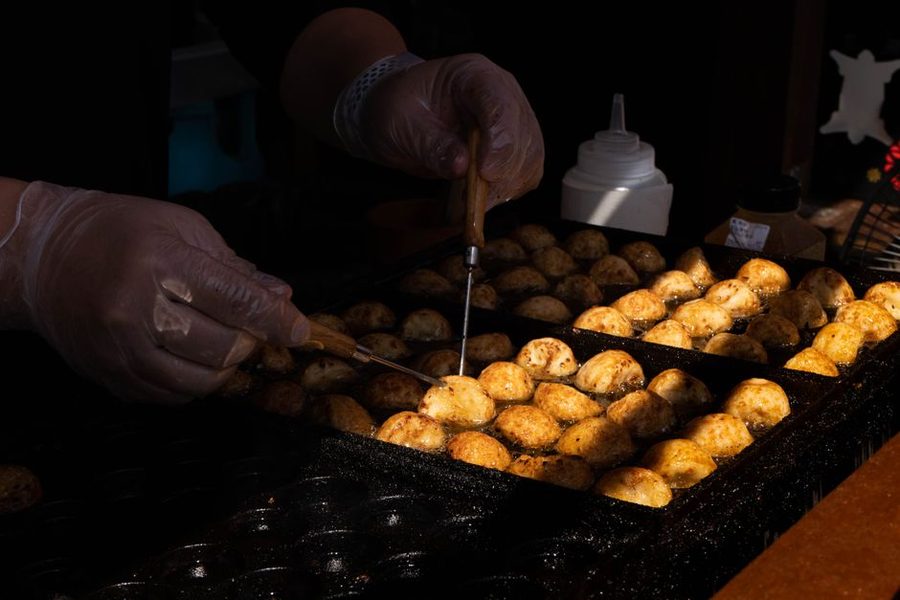
Takoyaki stands are everywhere in Minami; buy from a busy one, and let the first ball cool, because the inside stays molten long after the outside is safe. For okonomiyaki, Hozenji Yokocho and the side streets off Dotonbori have places with a hotplate at every table. Kushikatsu is the Shinsekai speciality, and the one rule matters: the sauce pot on the counter is shared, so dip each skewer once, before you bite, and use the cabbage to scoop more.
For a market, Kuromon is the obvious one. I would treat it as a place to graze one or two things and look, rather than the place for a sit-down lunch, and eat a proper meal in the streets of Namba or Tenma.
Getting up high
Osaka has four high places worth paying for, and you need one. The Umeda Sky Building is two towers joined at the top by the round Kuchu Teien (空中庭園) observatory, 173 metres up, with an open-air rooftop ring. It opens 9:30–22:30 (last entry 22:00) and costs ¥2,000 for adults. You cannot reach it from the office lifts: start at the observatory’s own departure gate on the third floor, and a lift and then the escalator slung between the towers (35th to 39th floors) take you up.
The Harukas 300 observatory at the top of Abeno Harukas is higher, with glass all round on the 60th floor and an open-air courtyard on the 58th. It opens 9:00–22:00 (last entry 21:30). Tickets cost ¥2,200 for adults at the 16th-floor counter or online on the day, and ¥1,980 if you buy online by the day before.
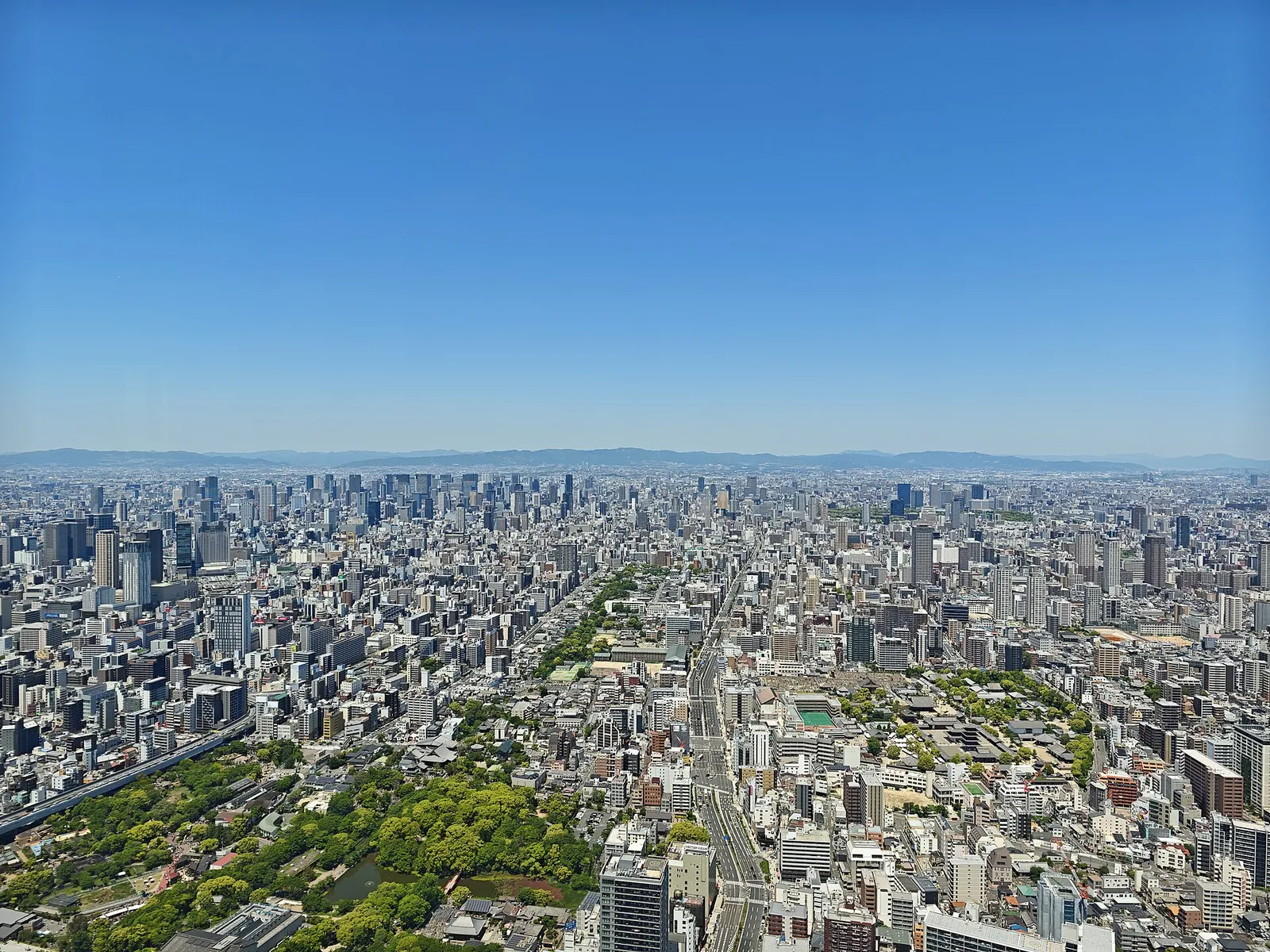
My choice: Harukas by day, because from 300 metres you see the whole Osaka plain to the mountains and the bay, and Umeda Sky at night, because standing outside on that roof ring above the lights is the better memory. Do one, not both. Tsutenkaku is lower and less about the view than about Shinsekai, and the castle keep gives you the castle park from above, which no tower can.
Temples and shrines
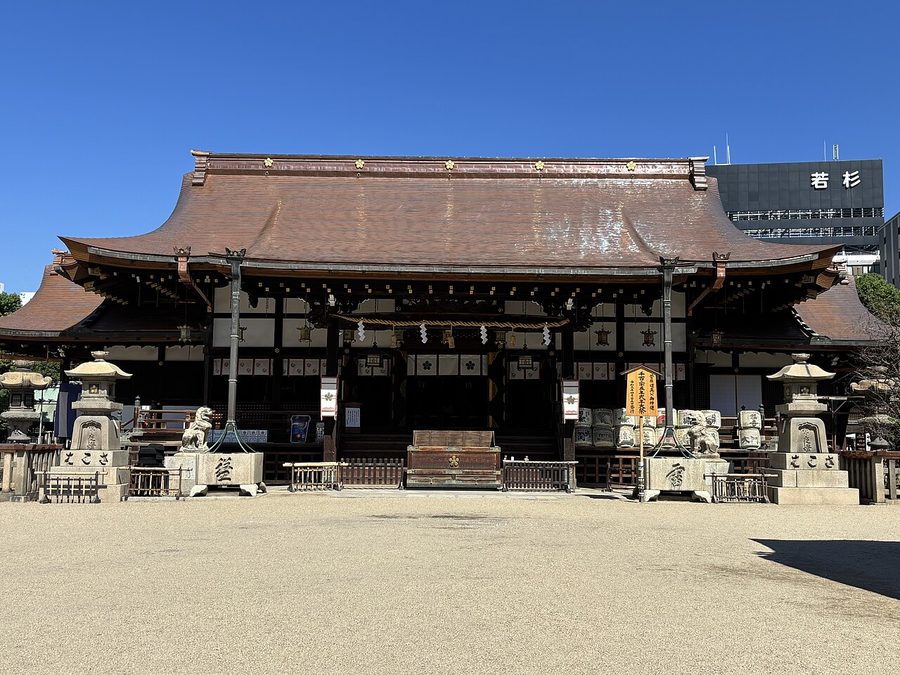
Osaka is not Kyoto, and nobody comes here for temples. That is your advantage: the best of them are quiet, free to walk round and a single train ride from the centre. Osaka Tenmangu is the big shrine of Kita, and the small Ikasuri Shrine (坐摩神社) in Senba, among the office blocks between Kita and Minami, is the quietest.
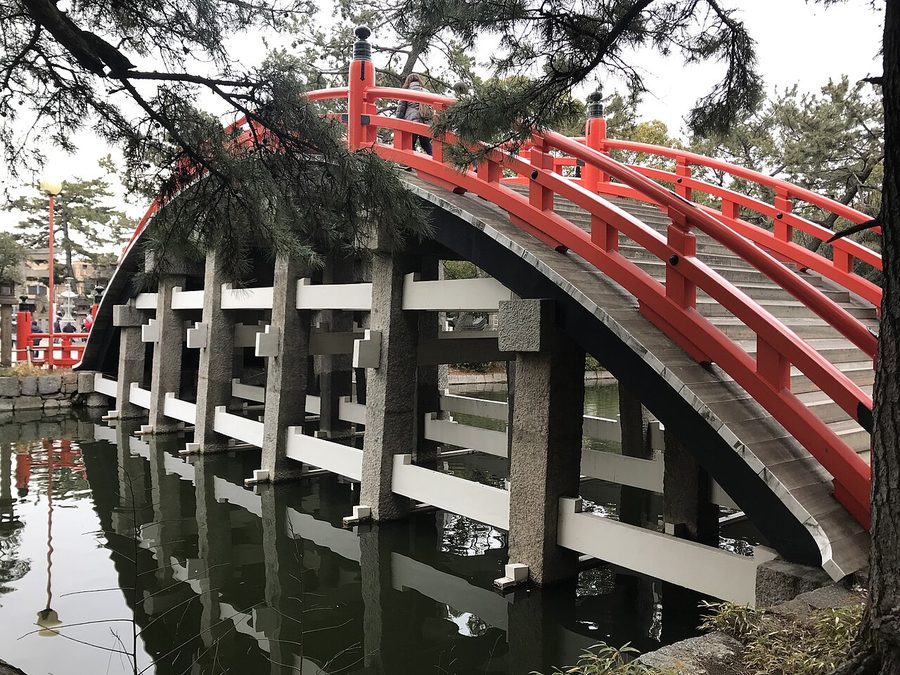
The one I would cross town for is Sumiyoshi Taisha (住吉大社), the great Sumiyoshi shrine in the south of the city. You enter over the Sorihashi (反橋), a red bridge arched so steeply that walking over it is a small climb, and the main halls stand in their own courtyards beyond. The gates open at 6:00 from April to September and 6:30 from October to March; the outer gates close at 16:00 and the inner precinct at 17:00.
Getting there is half the fun. Sumiyoshitorii-mae stop on the Hankai Line, the city’s tram, is right outside the gate; Sumiyoshi-taisha Station on the Nankai Main Line is a 3-minute walk east. Ride the tram one way and the Nankai train back to Namba the other.
Museums worth the ticket
The Osaka Museum of History is the place to understand the city. For art, Nakanoshima has the Nakanoshima Museum of Art (大阪中之島美術館), 5 minutes from exit 2 of Watanabebashi Station (Keihan Nakanoshima Line), and the Museum of Oriental Ceramics (大阪市立東洋陶磁美術館), with its collection of Chinese and Korean ceramics. In Tennoji Park, the Osaka City Museum of Fine Arts (大阪市立美術館) runs big exhibitions of Japanese painting.
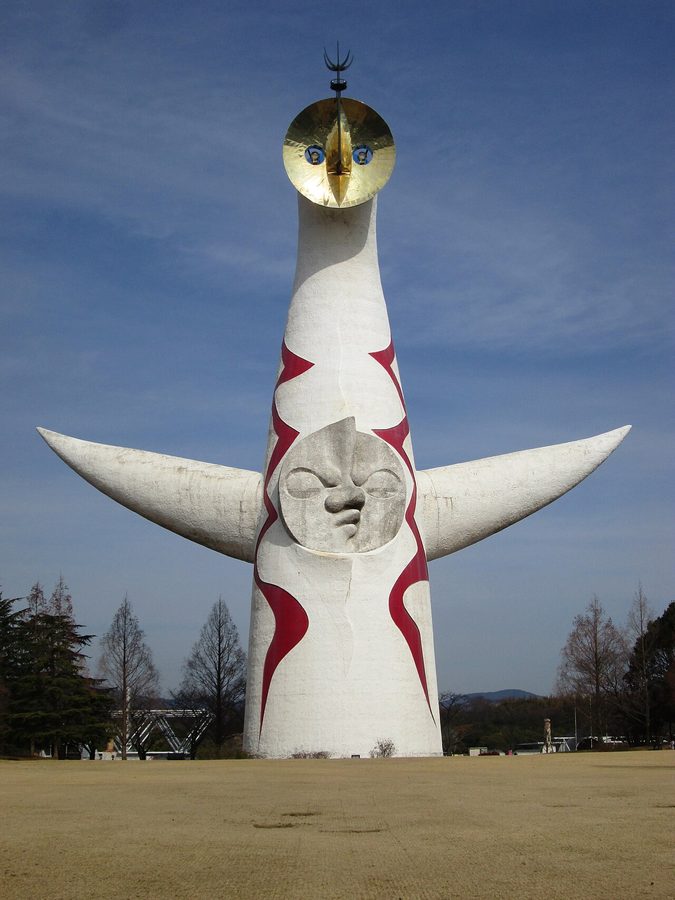
Further out, in Suita, the Expo ’70 Commemorative Park (万博記念公園) keeps Taro Okamoto’s Tower of the Sun (太陽の塔) from the 1970 World Expo; going inside needs a booking for the Tower of the Sun. The park also holds the National Museum of Ethnology (国立民族学博物館), open 10:00–17:00 and closed on Wednesdays, which is the best museum in the Osaka area.
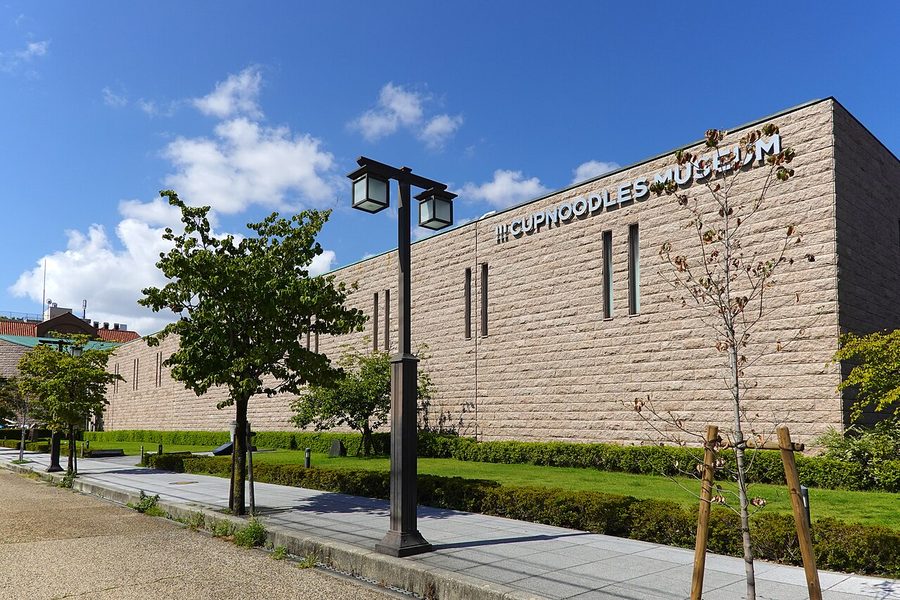
For something lighter, the Cupnoodles Museum Osaka Ikeda (カップヌードルミュージアム 大阪池田) in Ikeda, north of the city, is free (9:30–16:30, last entry 15:30) and has a replica of the shed where Momofuku Ando invented instant noodles. Designing your own cup in the My CUPNOODLES Factory, or making noodles from flour in the Chicken Ramen Factory, costs extra.
The bay, the aquarium and the theme park
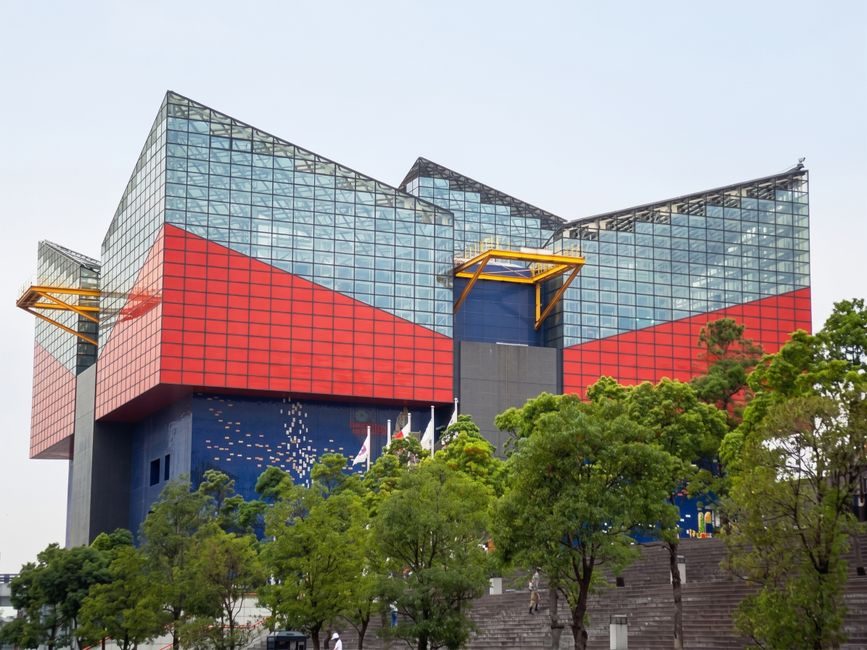
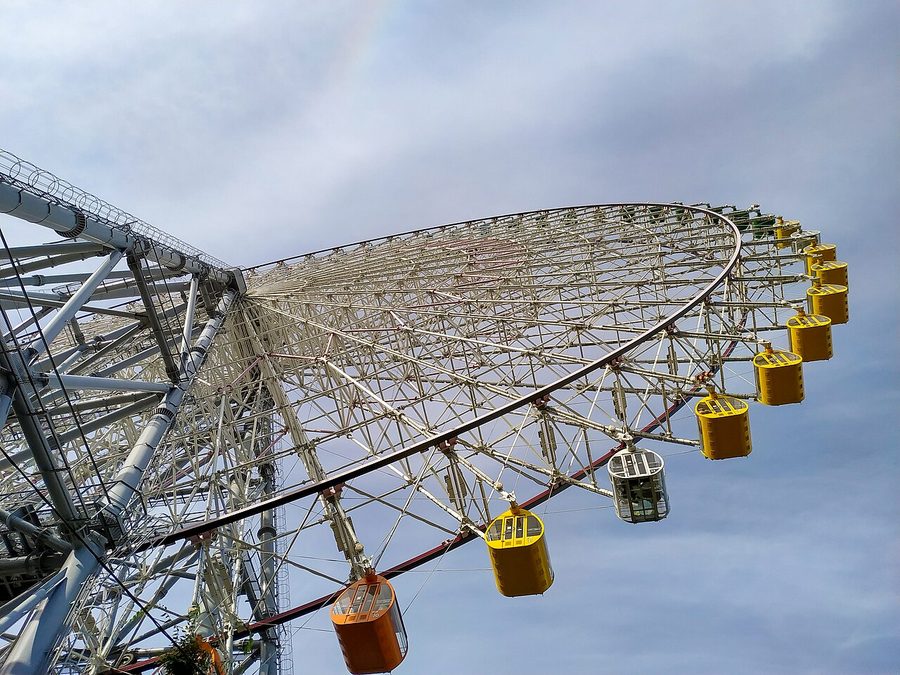
Osaka Aquarium Kaiyukan (海遊館) is the reason to go to the bay: a building wrapped round one huge central tank that you walk down in a spiral. Beside it, the Tempozan Giant Ferris Wheel turns over the harbour, and from a landing nearby the Santa Maria, a sailing-ship-style boat that carries about 800, does a 45-minute harbour cruise for ¥2,000. The aquarium is about 5 minutes’ walk from exit 1 of Osakako Station on the Chuo Line.
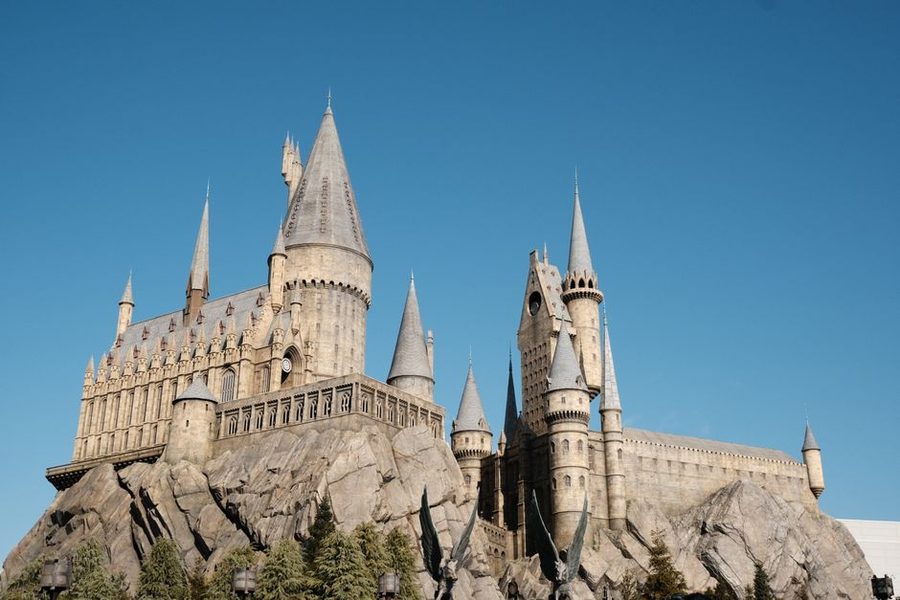
Universal Studios Japan, across the water on Sakurajima, is a full day, not an add-on. Studio Pass prices change by date, and you pick your date when you buy; Super Nintendo World and the Wizarding World of Harry Potter are the two areas everyone queues for. With three days and a taste for theme parks, it is a fair use of one.
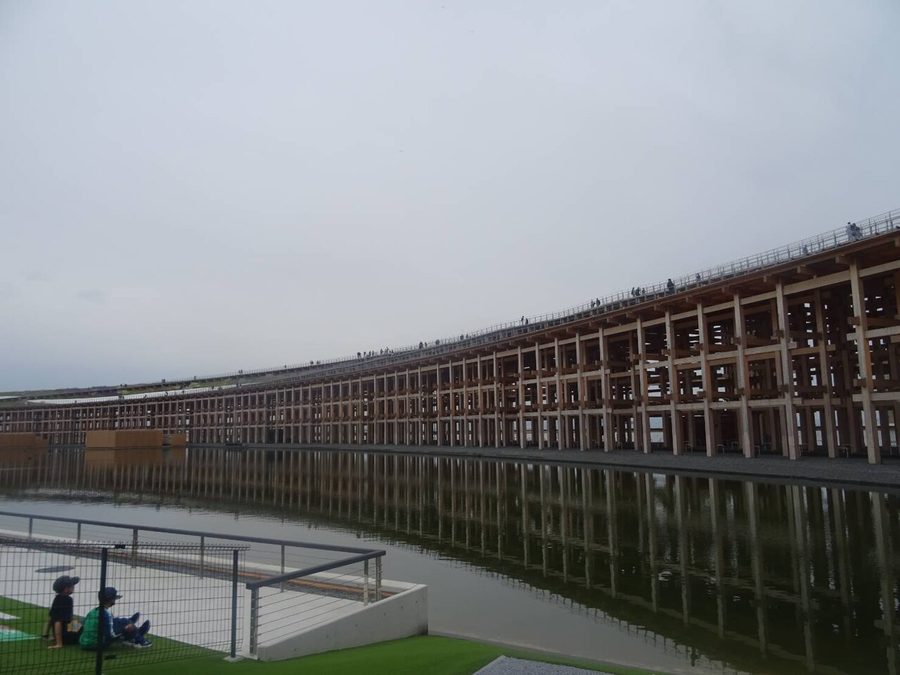
The 2025 Expo site on the island of Yumeshima is not a day out yet. As of November 2026 the plan for a memorial park keeping part of the giant wooden Grand Ring, with a new memorial hall on it, was still a draft.
Hot baths
A soak at the end of the day is one of the cheapest pleasures in Osaka. Spa World in Shinsekai is the big, theatrical option. For a local one, Naniwa no Yu (なにわの湯), a natural hot spring about 10 minutes’ walk north of exit 5 at Tenjinbashisuji 6-chome Station, costs ¥900 on weekdays and ¥1,000 at weekends and on holidays. It opens 10:00 on weekdays and 8:00 at weekends and stays open until 1:00 (last entry at midnight).
Naniwa no Yu does not rent towels, so bring one or buy one from the ticket machine for ¥150. It also bans tattoos, stick-on ones included, as many Japanese baths still do. Everywhere, you wash and rinse at the taps before you get into the water.
Comedy, rakugo and bunraku
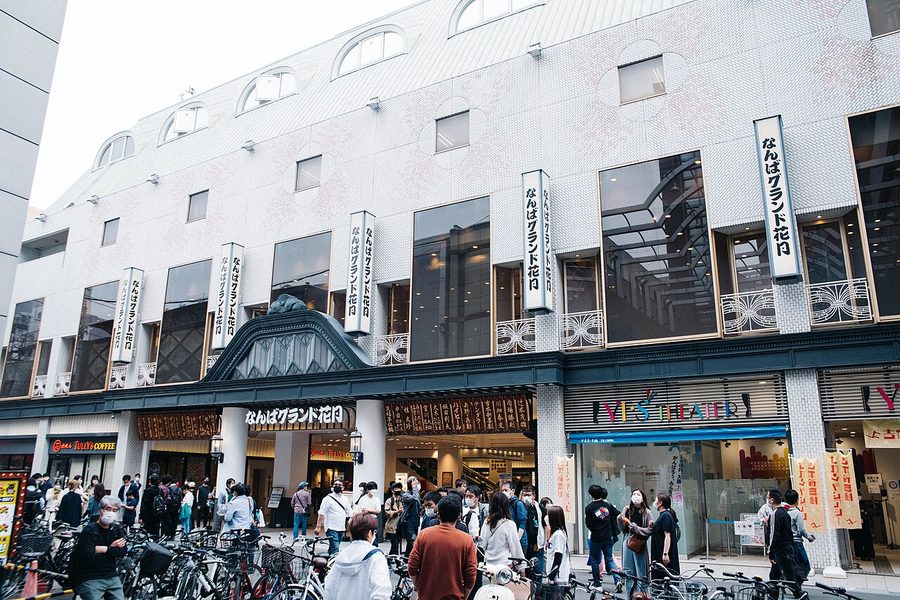
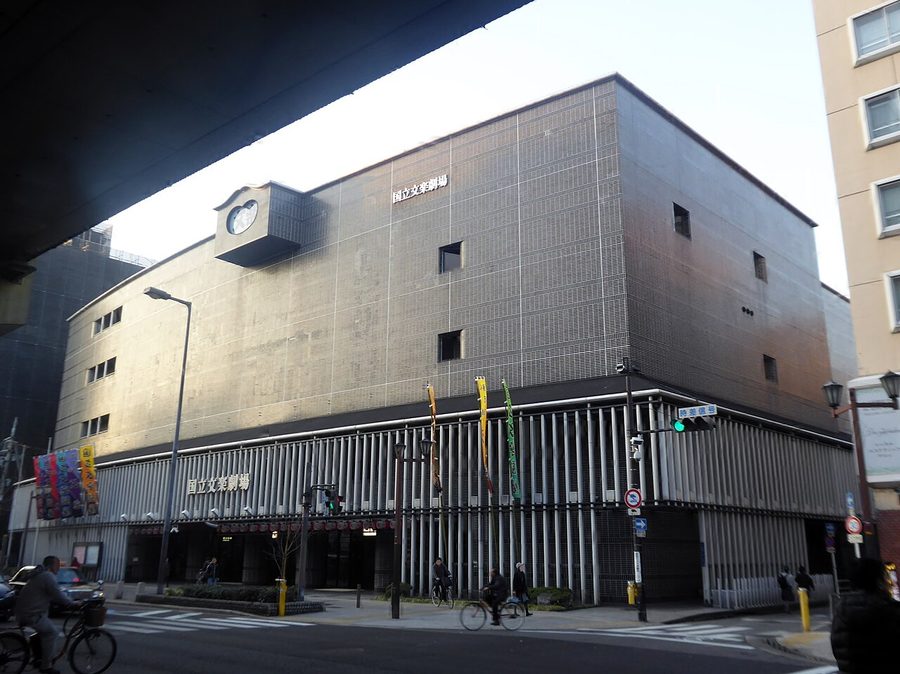
Osaka is Japan’s comedy town, and you can watch it work even without the language. Namba Grand Kagetsu (なんばグランド花月), the Yoshimoto theatre in Namba, runs several shows a day. The National Bunraku Theatre (国立文楽劇場) is the home of the puppet drama that grew up in Osaka, and it is the one show on this list I would call essential.
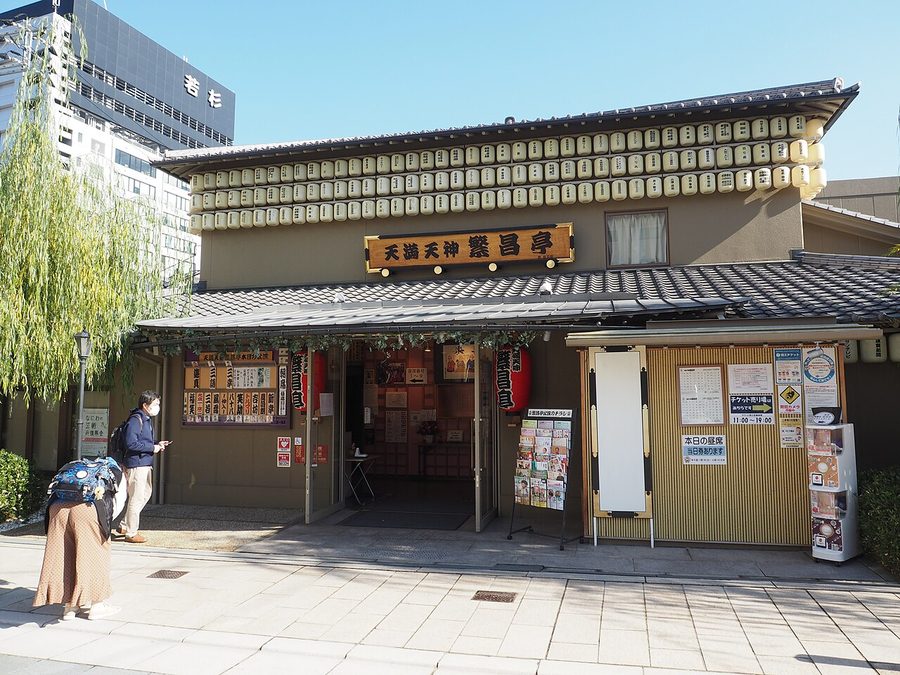
For rakugo (落語), the one-person comic storytelling done kneeling on a cushion, go to Tenma Tenjin Hanjotei (天満天神繁昌亭) beside Osaka Tenmangu. Its daytime programme starts at 13:30 (doors 13:00) and finishes around 16:10, and costs ¥3,000 in advance or ¥3,300 on the day, as of November 2026. It is in Japanese, but the rhythm and the timing come through.
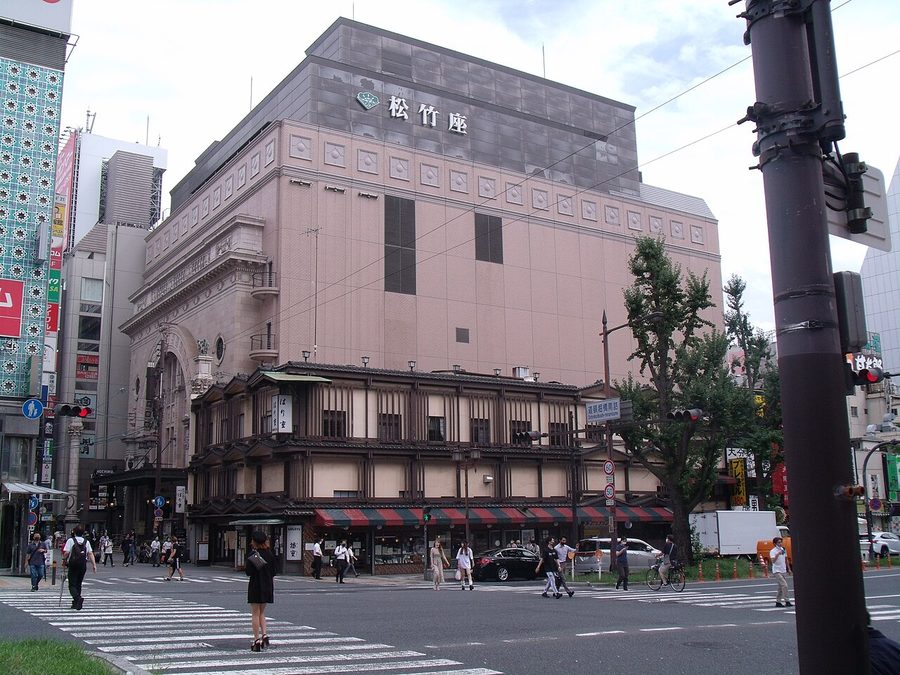
One closure to know about: Osaka Shochikuza (大阪松竹座), the last big theatre on Dotonbori, staged its final kabuki programme in May 2026 and closed after 103 years. In April 2026 Shochiku decided to demolish it, demolition began in November 2026, and what replaces it has not been settled.
Shopping arcades
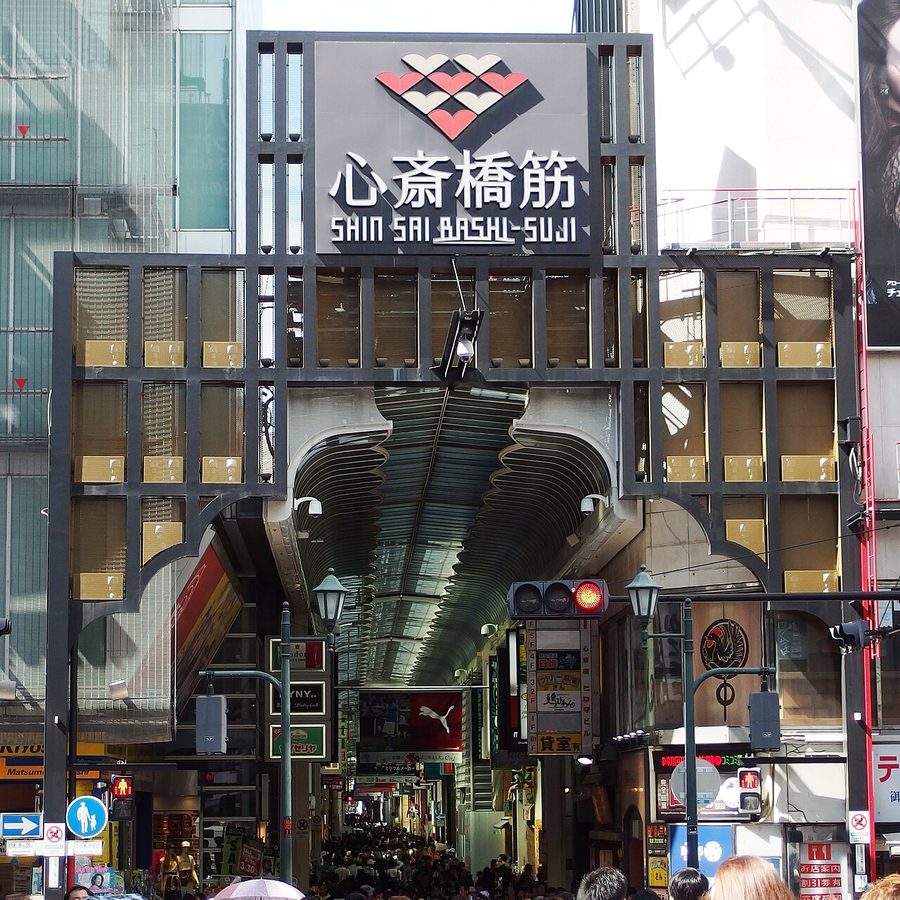
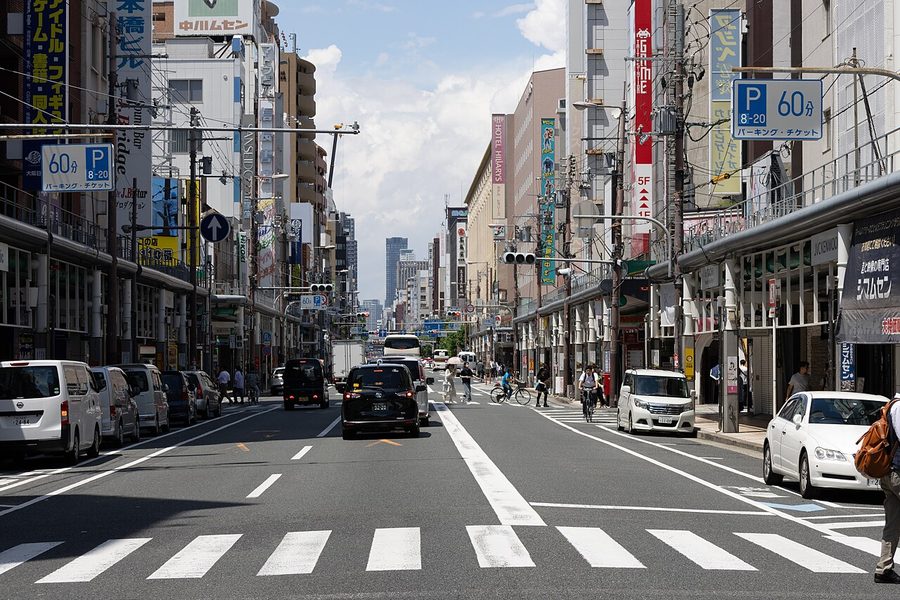
Osaka shops under a roof. Shinsaibashi-suji (心斎橋筋商店街) is the big one in Minami, about 580 metres from Nagahori-dori south to Soemoncho-dori and the edge of Dotonbori, carrying around 60,000 people on a weekday and twice that at weekends. Fashion chains, drugstores and souvenir shops fill it; it is the corridor, not the destination.
In Kita, Tenjinbashisuji is the opposite: long, local and cheap, with food shops, cafes and everyday clothing for kilometres north of Osaka Tenmangu. Walk a section of it rather than the whole thing; the stretch around Tenma Station is the liveliest.
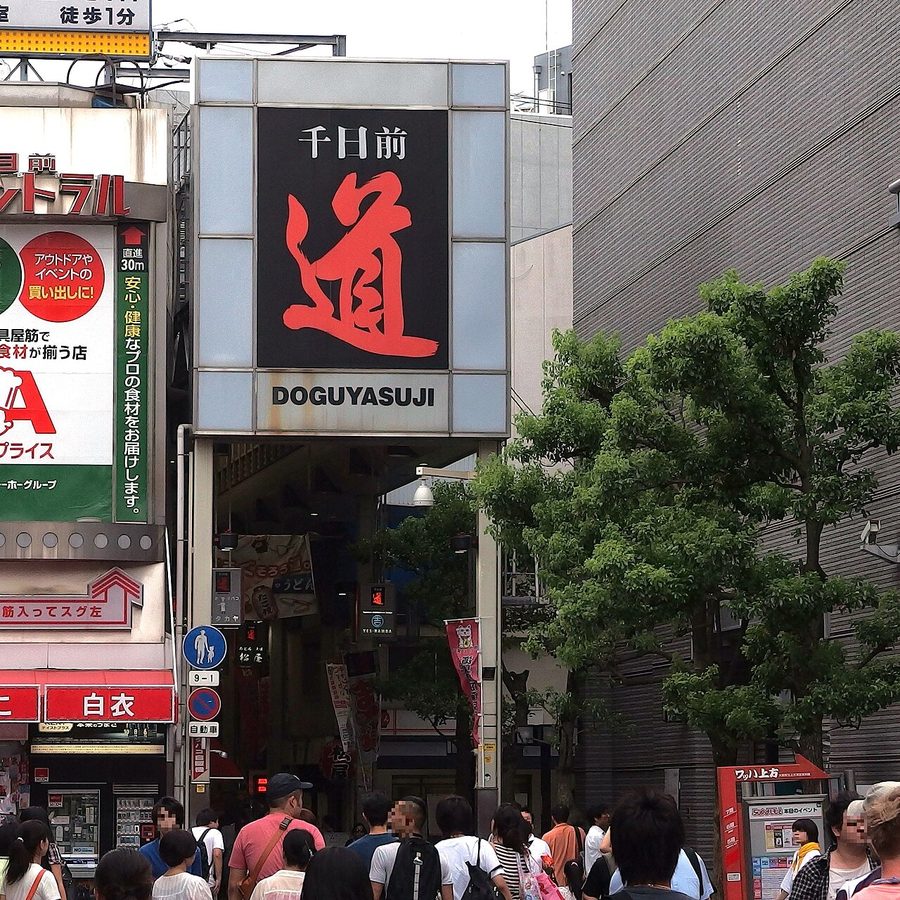
The two odd ones are the best. Sennichimae Doguyasuji (千日前道具屋筋), a 150-metre arcade by NGK, sells everything a restaurant kitchen needs: knives, takoyaki griddles, lanterns, plastic food samples. Some shops run workshops where you make a sample yourself. And Den Den Town in Nipponbashi is the electronics, anime and hobby district, a long strip on Sakaisuji.
After dark
Osaka keeps late hours. Umeda Sky takes its last visitors at 22:00, Harukas at 21:30, and the last Tombori cruise leaves at 21:00; after that, the eating and drinking districts take over.
In Minami, Dotonbori is loud until late and Hozenji Yokocho is the quieter lane of small bars and restaurants beside it. In Kita, the area round Tenma Station and the southern end of Tenjinbashisuji is where I would go for a cheap, good night out. Shinsekai is best early in the evening, when the skewer shops are packed and the tower is lit. Finish with a soak at Naniwa no Yu, which takes its last bathers at midnight.
Street go-karting in costume
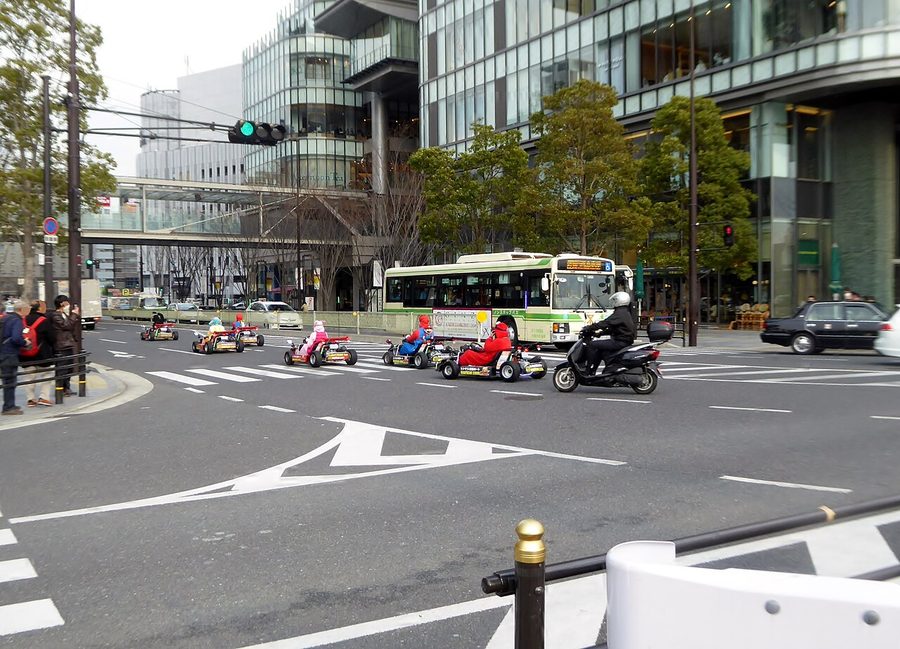
You will see them before you read about them: a line of tiny karts at the traffic lights in Minami, the drivers dressed as superheroes or anime characters, a guide at the front. It is legal, provided every driver holds a licence valid in Japan, and that is also the point to take seriously. You are driving on public roads, in real traffic, sitting barely above the tarmac.
It is operating in Osaka as of November 2026. Street Kart’s Osaka shop is at Minami-Horie 1-14-19, 4 minutes’ walk from Yotsubashi Station (Osaka Metro Yotsubashi Line), and its one-hour course loops through Amerikamura and Shinsaibashi to Dotonbori. December 2026 prices start at ¥7,000 per person for slots between 10:30 and 15:00, ¥7,800 for 16:30–19:30 and ¥8,500 at 20:00, against a regular price from ¥12,000.
Mario costumes are long gone. The company stresses that it has no link with Nintendo and does not rent Mario Kart outfits; superheroes and anime characters have taken their place.
The licence rule, and why it is strict
You need a licence that is valid for driving in Japan, and nothing else will do. That means a Japanese licence; an International Driving Permit issued under the 1949 Geneva Convention, which you must get in your home country before you travel because it cannot be issued in Japan; or, for licences from Switzerland, Germany, France, Belgium, Monaco and Taiwan, your licence with an official Japanese translation. Bring the originals and your passport. Digital licences are not accepted.
The permit or foreign licence is valid for one year from the day you land or from the permit’s issue date, whichever comes first. A permit issued under any other convention does not count. This is not the shop being fussy. In October 2024 Tokyo police sent papers to prosecutors on a kart rental operator suspected of letting unlicensed foreign tourists drive.
Safety, insurance and who it suits
Basic insurance is included, but you pay the first ¥50,000 of any damage to the kart unless you buy the full-cover plan. Rental kart operators need no national licence of their own, and Tokyo police logged 134 emergency calls about street karts between January and August 2024, from noise to blocked roads. If you are nervous in city traffic at home, you will be more nervous here, low down and in costume. If you are a confident driver who wants a silly hour in Minami, the daytime slot is both cheaper and calmer.
Baseball at Kyocera Dome Osaka
Kyocera Dome Osaka (京セラドーム大阪) is the home of the Orix Buffaloes, the city’s Pacific League team, and a night there is the best live show in Osaka that needs no Japanese. The dome opened in 1997 as the Osaka Dome and took its sponsor’s name in July 2006. A Japanese baseball crowd is half the entertainment: each side has its own organised cheering section, and the Buffaloes publish a cheer song for each of their players.
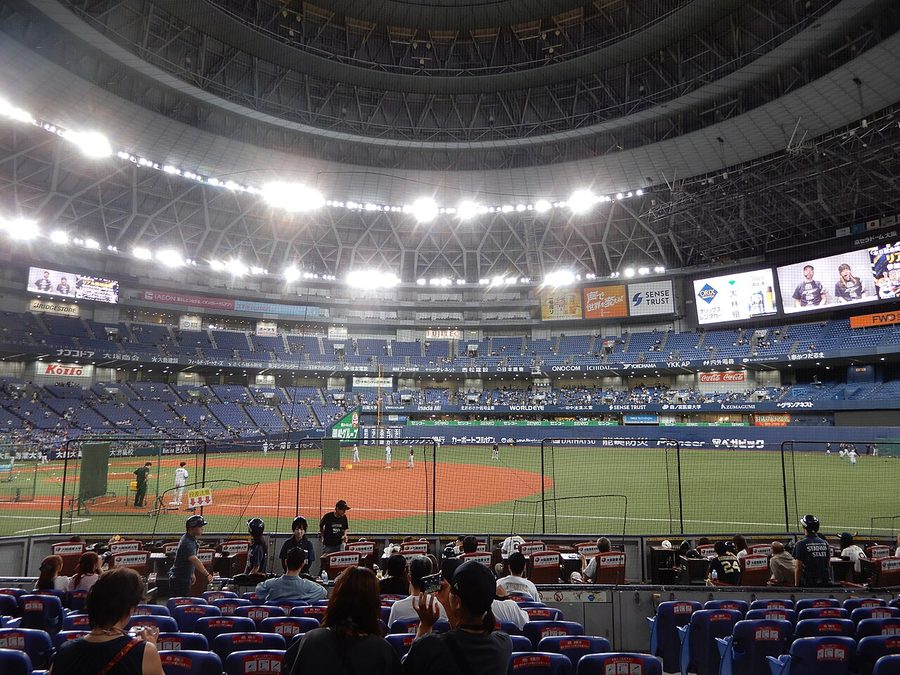
The season starts in late March and runs into the autumn. The 2027 season opens on 26 March 2027, with the Buffaloes starting on the road against the Fighters in Hokkaido. The Hanshin Tigers also play home games at the dome in August, while their own stadium hosts the national high school tournament.
Getting tickets
Buy through the Buffaloes’ own ticket pages, which explain the BsCLUB registration the club uses for sales and run an official resale service. At the end of November 2026 the 2026 season was over and 2027 single-game tickets had not gone on sale, so check the sales schedule there from the new year.
On Buffaloes home game days the dome also runs tours: practice-watching from the stands before the game, and a same-day tour after the final out that takes you down onto the field. The dome’s tour schedule for 2027 had not been announced.
Getting there
Two stations sit next to the dome: Dome-mae Chiyozaki on the Osaka Metro Nagahori Tsurumi-ryokuchi Line, about 5 minutes from Shinsaibashi, and Dome-mae on the Hanshin Namba Line, about 5 minutes from Osaka-Namba. Taisho Station on the JR Osaka Loop Line is a 7-minute walk, and Kujo on the Chuo Line 9 minutes. Leave the car; the dome’s own access page asks you to come by public transport, and its car parks are small for a crowd that size.
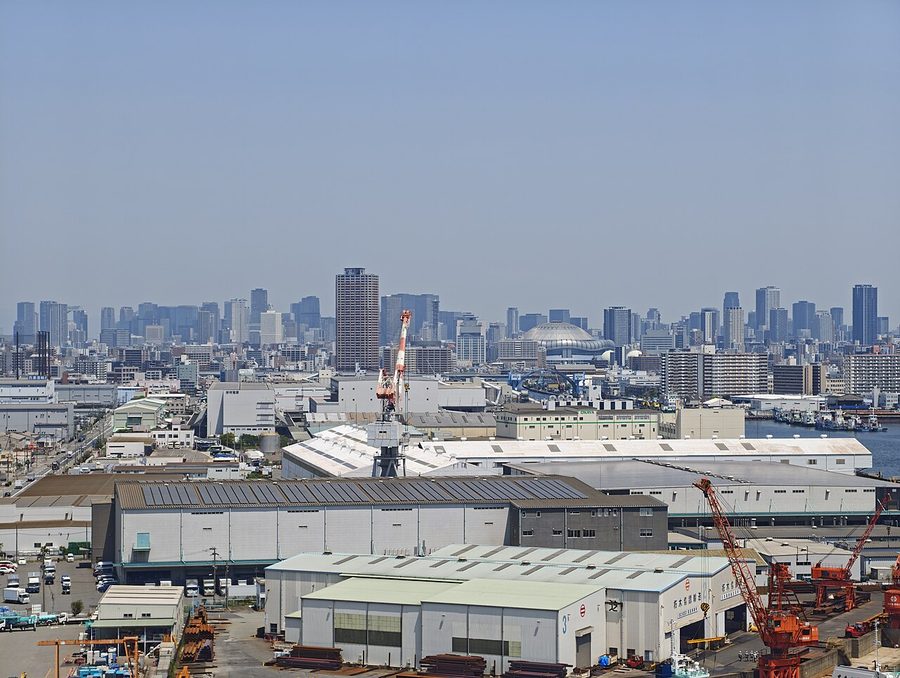
Koshien and the Tigers
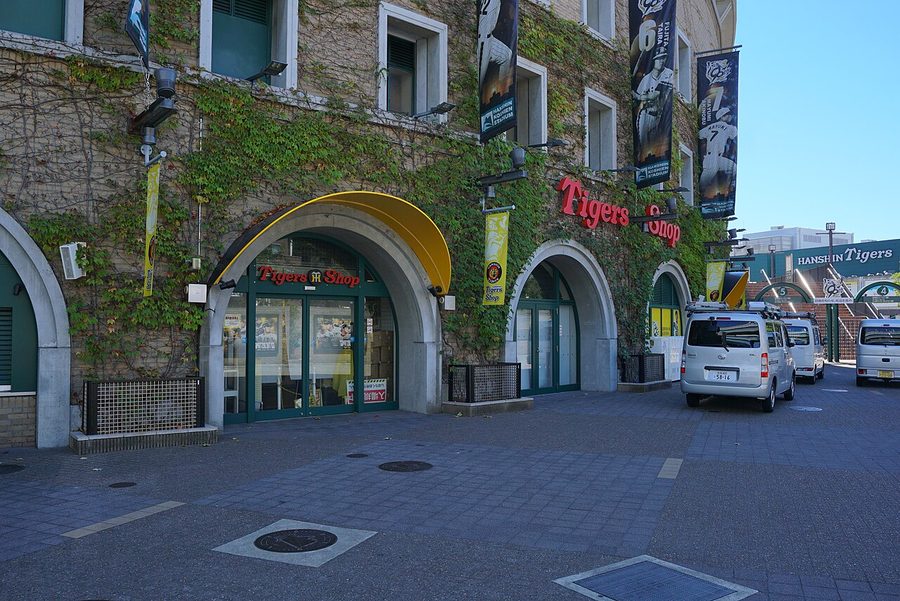
Osaka’s real baseball passion is the Hanshin Tigers, who play at Hanshin Koshien Stadium (阪神甲子園球場) just over the border in Nishinomiya, 3 minutes’ walk from Koshien Station: 13 minutes by limited express from Osaka-Umeda, or 22 from Osaka-Namba on the Hanshin line. Tigers games fill fast; if you only want to hear a Japanese crowd sing, the Buffaloes are the easier ticket.
Free things, and what to do when it rains
The best of Osaka costs nothing. Walk Osaka Castle Park and the outer walls; cross the Sorihashi at Sumiyoshi Taisha; face the lion at Namba Yasaka; splash the statue at Hozenji; walk Dotonbori from the river path at dusk. The Nakanoshima rose garden, Umekita Park, the arcades, the Mint Museum and the Cupnoodles Museum are all free.
When it rains, Osaka goes underground. Umeda and Namba each have long underground shopping streets linking the stations and department stores, and between the covered arcades of Minami you can get from Namba to Shinsaibashi with barely a dash in the open. Museums, the aquarium, theatres, baths and the dome all suit a wet day; move the castle park and the observatories to a dry one, because cloud kills the views you are paying for.
One, two or three days
One day. Castle park and the keep in the morning, Kuromon or a takoyaki stand for lunch, then Shinsekai and Tsutenkaku in the afternoon and Dotonbori, Hozenji Yokocho and the river walk after dark. It is a lot, but the Midosuji, Tanimachi and Sakaisuji lines make it work.
Two days. Add Sumiyoshi Taisha by tram in the morning, Shitennoji and Abeno Harukas in the afternoon, then Tenma, Tenjinbashisuji and a bath at Naniwa no Yu, or a Buffaloes game in season. Two days is what I would give Osaka on a first trip to Japan.
Three days. Add the bay and the aquarium, or Universal Studios Japan, or the Expo park and the ethnology museum, and a night at the comedy. If you are choosing between Osaka and Kyoto as a base, I would pick Osaka, where the food is better value and the nights livelier, and treat Kyoto as a day trip.
What I would skip
Skip a second observation deck; spend the money on a bath, a show or a meal. Skip the Tombori River Cruise if you are short of time, and a sit-down lunch in Kuromon. And skip Universal Studios Japan on a two-day trip: it costs a full day, and Osaka is too good to give half your time to a theme park.
When you are done, go back to where you started: the Midosuji Line, and the eight minutes between Umeda and Namba. Ride it once more after dark, get off at Namba, and walk north to the canal. By then you will know which bridge to stand on.